
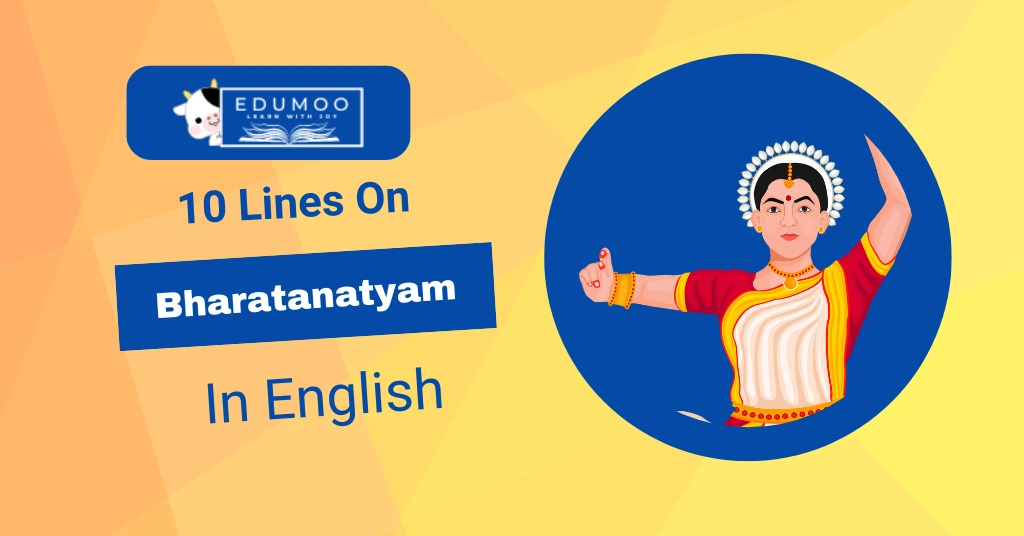
Bharatanatyam is one of the oldest and most famous classical dances of India. It started in Tamil Nadu and is known for its beautiful hand movements, expressions, rhythm, and graceful steps. Many people love this dance because it tells stories from Indian culture, especially from the Ramayana and Mahabharata. Children learn Bharatanatyam to improve discipline, confidence, balance, and creativity.
In this blog, you will read 10 lines about Bharatanatyam, a 200-word essay, an 650-word detailed essay, and a conclusion to help you understand this dance form in an easy way.
10 Lines About Bharatanatyam In English
- Bharatanatyam is a famous classical dance from Tamil Nadu.
- It is one of the oldest dance forms of India.
- The dance uses special hand movements called mudras.
- Bharatanatyam dancers wear colorful traditional costumes.
- The dance shows expressions through eyes and face.
- It is usually performed on classical Carnatic music.
- Bharatanatyam tells stories from Hindu mythology.
- It needs discipline, practice, and patience to learn.
- Both girls and boys can learn Bharatanatyam.
- It is known all over the world for its beauty and grace.
Essay On Bharatanatyam In English In 200 Words
Bharatanatyam is one of India’s most famous classical dance forms. It began in the temples of Tamil Nadu many years ago. This dance is known for its strong footwork, beautiful hand gestures, and expressive facial movements. These hand gestures are called “mudras,” and they help the dancer tell a story.
Bharatanatyam is usually performed with Carnatic music. The dancer wears a colourful costume, jewellery, and ankle bells called “ghungroo.” The costume is specially designed to make the movements look graceful. Eye movements are also very important in this dance because they help show emotions like happiness, anger, fear, and love.
One special feature of Bharatanatyam is that it teaches discipline and patience. Students learn to balance their body, maintain posture, and follow rhythm. It also helps in building confidence because dancers learn to perform in front of many people.
The themes of Bharatanatyam usually come from Hindu mythology, especially stories of Lord Shiva, Lord Krishna, and Goddess Parvati. Many dancers perform Bharatanatyam in cultural programs, school functions, and competitions.
Today, Bharatanatyam is performed all over the world. People of all ages learn it because it connects them with Indian culture. It is a beautiful art form that keeps our traditions alive and inspires young artists to express themselves gracefully.
Essay On Bharatanatyam In English In 650 Words
Bharatanatyam is one of the oldest and most respected classical dance forms of India. It originated in the temples of Tamil Nadu, where it was performed as a form of devotion to the gods. The name “Bharatanatyam” comes from three words: Bha (Bhava – expression), Ra (Raga – music), and Ta (Tala – rhythm). These three elements form the heart of this dance tradition. For many years, Bharatanatyam has been a symbol of Indian culture, beauty, and storytelling.
Bharatanatyam began more than 2,000 years ago. In ancient times, it was performed by temple dancers known as Devadasis. They dedicated their lives to serving the temple gods through dance and music. The dance was considered sacred and was performed during festivals and religious ceremonies. Even today, the dance maintains its spiritual connection and is often performed in temples and cultural festivals.
Bharatanatyam has a unique style that makes it different from other dance forms. It includes strong footwork, angled body postures, fast rhythm, and graceful hand movements. Many steps are done by bending the knees, which helps the dancer maintain balance.
A major part of Bharatanatyam is mudras, the special hand movements used to show objects, feelings, animals, and actions. Along with mudras, the dancer uses eye movements to show emotions. These expressions are known as abhinaya, which help tell a story without using words. This is why Bharatanatyam is often called a “visual art form.”
Bharatanatyam is performed on Carnatic music, which is the classical music of South India. Instruments like the mridangam, violin, flute, and veena are commonly used. The rhythm and beats of the music guide the dancer’s movements.
The costume of a Bharatanatyam dancer is colourful and rich. It includes a silk dress with pleats in the front, which open beautifully when the dancer performs certain steps. Dancers wear traditional jewellery, temple ornaments, and flowers in their hair. They also wear ankle bells called ghungroo, which create rhythmic sounds with every step.
Most Bharatanatyam performances tell stories from the Ramayana, Mahabharata, and Puranas. Popular themes include the childhood of Lord Krishna, the cosmic dance of Lord Shiva as Nataraja, and stories of devotion to Goddess Parvati or Lakshmi.
The dance is not just entertainment—it carries deep meaning. Through each movement, the dancer tries to express emotions like joy, sadness, courage, devotion, and peace. This is what makes Bharatanatyam special: it communicates feelings that touch the heart of the audience.
Learning Bharatanatyam has many benefits for children and adults. It helps improve body posture, flexibility, and balance. The dance requires regular practice, which helps build discipline and patience. Students also learn concentration and coordination because the dance demands control of hands, feet, and eyes at the same time.
Bharatanatyam also boosts confidence. Performing on stage teaches students how to express themselves without fear. It also connects them to Indian culture and traditions, helping them respect their heritage.
Today, Bharatanatyam is not limited to India. It is taught and performed in many countries like the USA, UK, Canada, Australia, and Singapore. Many Indian schools abroad include Bharatanatyam classes to help children stay connected to Indian culture. Dance festivals and competitions across the world celebrate this beautiful art form.
Over the years, great dancers like Rukmini Devi Arundale, Balasaraswati, Alarmel Valli, and Yamini Krishnamurthy have played an important role in promoting Bharatanatyam. Their dedication has made this dance respected globally.
Bharatanatyam is a perfect blend of art, music, culture, and expression. It is not just a dance—it is a language without words. Every movement, from the tilt of the head to the rhythm of the feet, has meaning. It teaches discipline, devotion, and grace. It encourages creativity and allows dancers to express their inner emotions.
Most importantly, Bharatanatyam keeps India’s ancient cultural traditions alive. Through dance, new generations learn stories, values, and spirituality that have been part of India for centuries.
Conclusion
Today, we have learnt 10 lines about bharatanatyam. Bharatanatyam is a beautiful and meaningful classical dance that represents India’s rich culture. From simple steps to complex expressions, it teaches discipline, confidence, and creativity. The 10 lines, short essay, and long essay in this blog help students understand the dance in an easy way. Bharatanatyam will always remain a shining symbol of Indian art and tradition.